USMCA alone won’t ease Mexico’s energy uncertainty


Antonio Ortiz-Mena

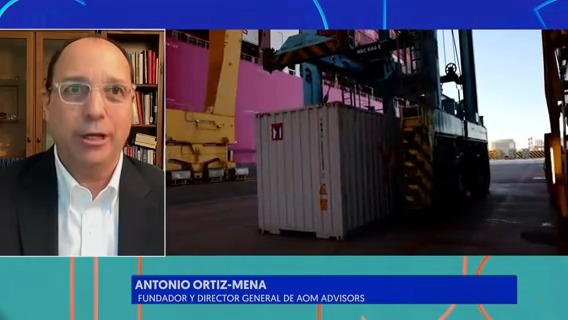
Antonio Ortiz-Mena maintains that there will be annual negotiations on the United States-Mexico-Canada Agreement (USMCA), following the White House’s decision not to renew it for an additional 16 years. As part of these negotiations, the United States will take a tougher stance on rules of origin and Chinese investment in the region. Among the most important points of negotiation between Mexico and the United States are:

  • Non-tariff barriers imposed by Mexico on U.S. imports
  • Critical minerals
  • Rules of origin for auto parts
  • Reducing Chinese investment in the region

Ortiz-Mena notes that the United States will not withdraw from the agreement, given the dependence of its energy and agricultural sectors on the Mexican market. For its part, Mexico must strengthen its energy supplies to take advantage of the agreements resulting from the USMCA review. Finally, tariffs imposed under Sections 232 and 301 perpetuate uncertainty among investors in the region.

USMCA: New Capital Rules Rumoured to Close China’s Back Door Through Mexico


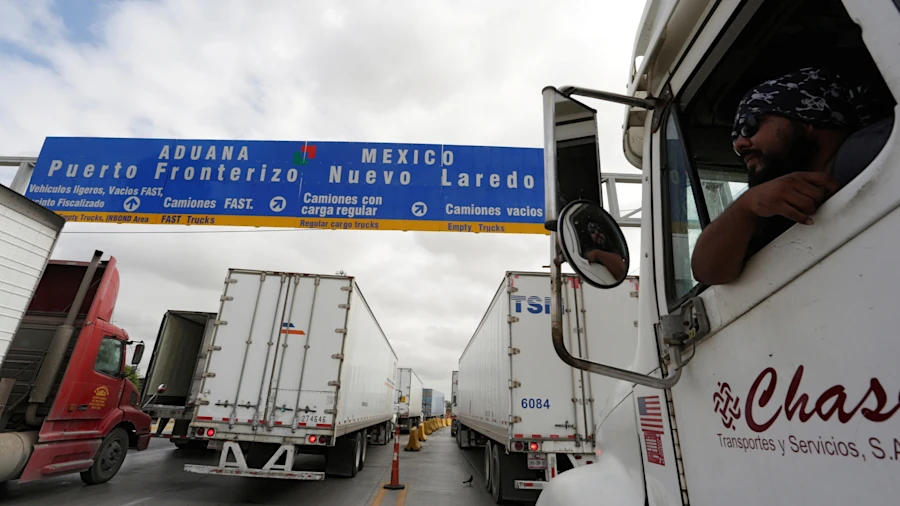
Heavy traffic: the Trump administration wants to ensure Mexico does not remain a side route into North America for China © Reuters

Antonio Ortiz-Mena notes that the Office of the U.S. Trade Representative (USTR) did not respond to a request for comment on the possibility of establishing rules regarding the origin of capital. However, U.S. Trade Representative Jamieson Greer testified before Congress last year that the United States-Mexico-Canada Agreement (USMCA) cannot become “an export platform for third countries.”


Inside the North American trade negotiations: status report


Antonio Ortiz-Mena argues that the Mexican government’s priority should be to preserve and strengthen the trade agreement, despite facing various pressures, such as the tightening of rules of origin in the automotive sector. Regarding the future of the United States-Mexico-Canada Agreement (USMCA), Ortiz-Mena predicts that it will survive, although it will be accompanied by a greater number of bilateral agreements between the United States and Canada, as well as between the United States and Mexico.


Revisión del T-MEC debe incluir la modernización de fronteras para agilizar el comercio: IRU


Antonio Ortiz-Mena sostiene que la prioridad del gobierno mexicano debe ser preservar y fortalecer el acuerdo comercial, a pesar de enfrentar presiones de diversa índole, como el endurecimiento de las reglas de origen en el sector automotriz. Respecto al futuro del Tratado entre México, Estados Unidos y Canadá (T-MEC), Ortiz-Mena prevé que el instrumento comercial sobreviva, aunque preponderen los acuerdos bilaterales sobre los trilaterales.


The future of the USMCA-securing North America’s energy edge


A key takeaway: energy, national security, and competitiveness can no longer be analyzed separately. As North America prepares for the USMCA review, ensuring a reliable, clean, and competitively priced energy supply for growing regional demand will be essential to trade and investment across the region. Unlike other regions, North America is rich in hydrocarbons, renewables, and critical minerals — a unique competitive advantage for our security and prosperity, provided we put it to smart use.


Panorama Mundial Con Gabriela Frías: La Apuesta Económica De Los 3 Socios De Norteamérica


Antonio Ortiz-Mena sostiene que, a pesar de los enfrentamientos verbales, los tres socios del Tratado entre México, Estados Unidos y Canadá (T-MEC) continúan participando en las rondas de negociación. Asimismo, señala que México debe insistir en el establecimiento de aranceles cero para los productos que cumplen con las reglas del tratado, toda vez que determinados gravámenes, como los aplicados a la industria automotriz, perjudican los esfuerzos de la Casa Blanca por reducir su déficit comercial. Finalmente, Ortiz-Mena subraya que México debe mejorar su competitividad en el sector energético para garantizar la llegada de inversiones a su territorio.


Mexican president caught between Trump and her party


Sheinbaum has sought to mollify Trump by sending 10,000 National Guard troops to the border to deter migrants and drug traffickers © Yuri Cortez/AFP/Getty Images

Antonio Ortiz-Mena points out that the central issue behind the White House’s pressure on the Mexican government lies in the relationship between certain levels of political power and transnational crime, as well as in the growing difficulty in distinguishing where one ends and the other begins.


ADVIERTEN CAMBIOS PERMANENTES EN T-MEC


(Foto: Cuartoscuro)

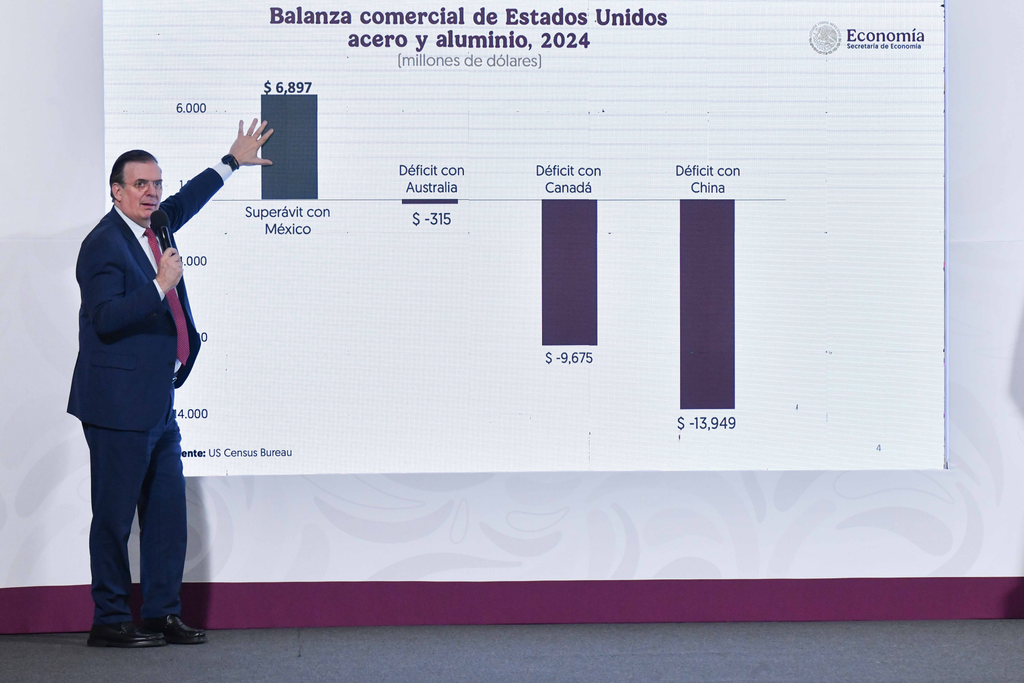
Antonio Ortiz-Mena sostiene que México se encuentra en una transición de un acuerdo de libre comercio hacia un esquema de comercio administrado en el marco del Tratado entre México, Estados Unidos y Canadá (T-MEC), como consecuencia de los aranceles impuestos por la Casa Blanca a las exportaciones mexicanas—particularmente al acero. Asimismo, señala que el principal problema no son los aranceles en sí mismos, sino la incertidumbre que generan, ya que las empresas requieren reglas claras para operar. En este contexto, Ortiz-Mena considera que Estados Unidos está introduciendo volatilidad en el sistema, cuyos costos terminan recayendo también en sus propias empresas y ciudadanos. Finalmente, señala que Washington está vinculando unilateralmente cuestiones comerciales con asuntos migratorios y de seguridad, lo que supone un cambio en las reglas del juego.


T-MEC y sostenibilidad: desafíos y oportunidades para México


Antonio Ortiz-Mena participa en el foro «T-MEC y sostenibilidad: desafíos y oportunidades», en el marco del 6.º Simposio Innovación para el Desarrollo Común y el Desarrollo Sostenible, organizado por la Universidad Iberoamericana y moderado por Ana Paula Ordorica.


México se va a volver muy caro para exportar vehículos, comentó Antonio Ortiz-Mena


Antonio Ortiz-Mena sostiene que tanto los aranceles como la incertidumbre derivada de ellos desincentiva la inversión y encarecen las exportaciones del sector automotriz, siderúrgico y del aluminio frente a competidores como Japón. En este sentido, México debe insistir en el cumplimiento de las disposiciones del Tratado entre México, Estados Unidos y Canadá (T-MEC), particularmente en el mantenimiento de aranceles cero o en niveles mínimos, así como en la reducción de la incertidumbre frente a terceros competidores. Finalmente, Ortiz-Mena señala que la Casa Blanca ha convertido los aranceles en una fuente importante de ingresos fiscales para la administración federal.