Getting the China Dimension of USMCA Right
Category: Media article
Author: Antonio Ortiz-Mena
Source: Americas Quarterly

Sam Wolfe/Bloomberg via Getty Images
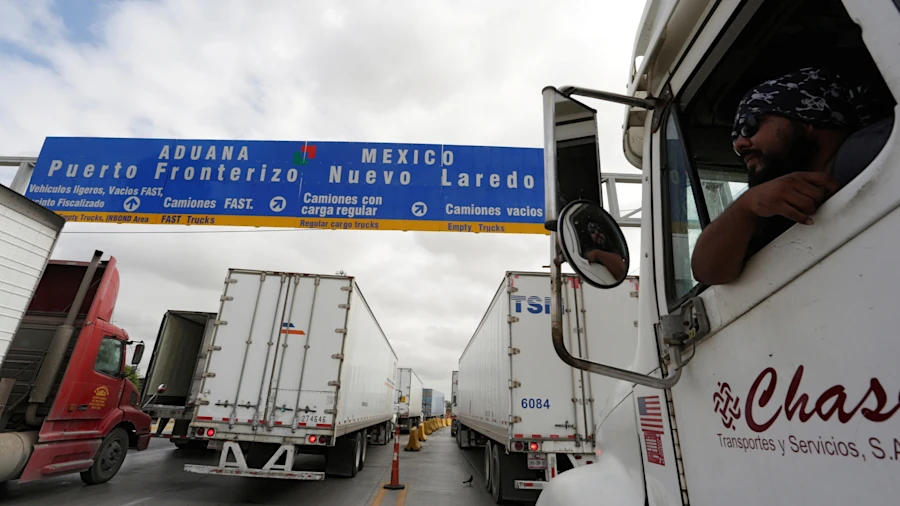
Antonio Ortiz-Mena argues that Mexico, the United States, and Canada have taken contrasting approaches to the issue of China with regard to imports and unfair competition, which hinders the consolidation of regional integration. He also points out that, as long as the three governments do not work with a common database detailing the nature and scope of Chinese investment in North America, they will continue to design their trade and investment policies blindly. In this regard, Ortiz-Mena believes that the most effective way to address concerns about the origin of capital and technology is also the one that has been most neglected. It is necessary to modernize foreign investment control mechanisms—especially in Mexico—to incorporate national security criteria and establish trilateral coordination.