Llegó la fecha, un podcast de Ana Paula Ordorica


Ana Paula Ordorica

Antonio Ortiz-Mena explica el funcionamiento de la cláusula de terminación (sunset clause) del Tratado entre México, Estados Unidos y Canadá (T-MEC) y la decisión del Gobierno estadounidense de optar por revisiones anuales en lugar de extender automáticamente la vigencia del tratado por 16 años más. Ortiz-Mena sostiene que, dadas las características de la política comercial del presidente Donald J. Trump, las revisiones anuales resultan preferibles, pues permiten atender los conflictos comerciales de manera periódica y evitan generar una «falsa certidumbre» asociada a una extensión más prolongada.

Asimismo, Ortiz-Mena señala que Estados Unidos continúa percibiendo el comercio internacional como un juego de suma cero, al priorizar la obtención de superávits comerciales, una perspectiva que puede encarecer el acceso a insumos estratégicos provenientes de México. Ante este escenario, Canadá, Estados Unidos y México deben avanzar hacia una estrategia conjunta que permita atender las preocupaciones de Washington respecto a la presencia de insumos e inversiones chinas en la región y, al mismo tiempo, garantizar que las exportaciones norteamericanas mantengan su competitividad en los mercados internacionales.


¿Adiós al T-MEC? La verdad detrás del acuerdo


Antonio Ortiz-Mena sostiene que las revisiones anuales del Tratado entre México, Estados Unidos y Canadá (T-MEC) facilitan la resolución de tensiones y permiten realizar los ajustes necesarios, en contraste con una renovación automática de 16 años. En este contexto, la prioridad del gobierno mexicano radica en reducir la incertidumbre para generar condiciones óptimas para la inversión. Asimismo, Ortiz-Mena señala que una eventual salida de Estados Unidos del acuerdo comercial tendría un costo considerable para su propia economía, por lo que la trilateralidad resulta esencial e irrenunciable para los sectores estratégicos. Finalmente, subraya que México debe garantizar certidumbre en el ámbito interno, particularmente en materia energética, marcos regulatorios y la reforma al Poder Judicial.


What’s at stake in the USMCA review is a stronger, safer, and more prosperous North America


Antonio Ortiz-Mena argues that, in the period following World War II, trade and national security could be analyzed separately. However, this distinction has disappeared. Today, supply chains, access to strategic resources, and industrial capacity are all part of a country’s economic security. In this sense, the renegotiation of the United States-Mexico-Canada Agreement (USMCA) should be understood as a discussion about the strategic future of North America and not merely as a negotiation over tariffs or rules of origin.


Getting the China Dimension of USMCA Right


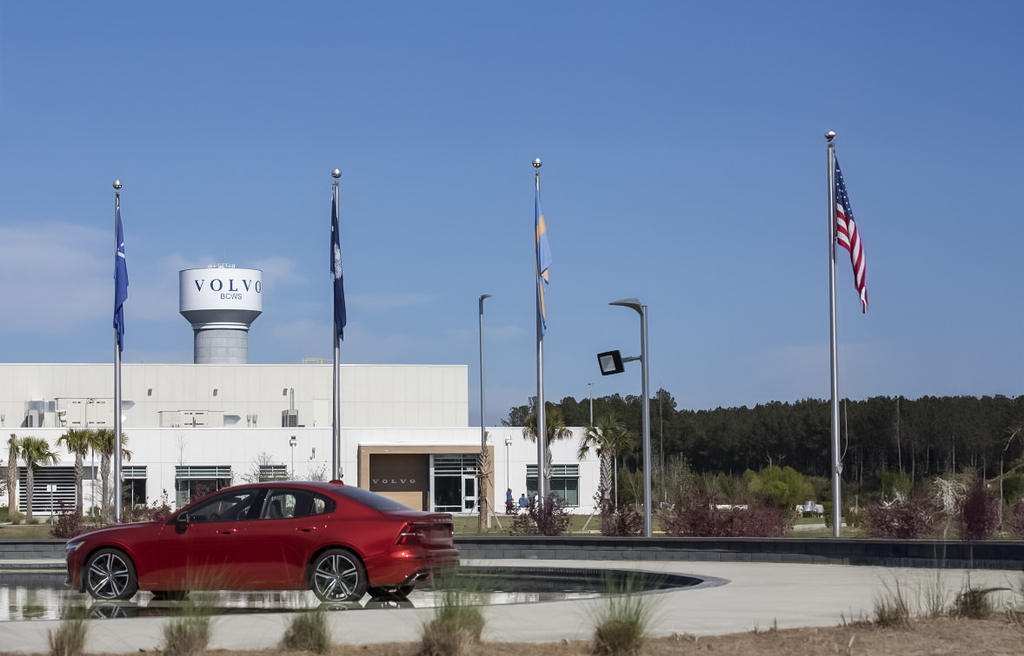
A Volvo Cars plant in Ridgeville, South Carolina, U.S., is owned by China’s Geely Holding Group.

Sam Wolfe/Bloomberg via Getty Images

Antonio Ortiz-Mena argues that Mexico, the United States, and Canada have taken contrasting approaches to the issue of China with regard to imports and unfair competition, which hinders the consolidation of regional integration. He also points out that, as long as the three governments do not work with a common database detailing the nature and scope of Chinese investment in North America, they will continue to design their trade and investment policies blindly. In this regard, Ortiz-Mena believes that the most effective way to address concerns about the origin of capital and technology is also the one that has been most neglected. It is necessary to modernize foreign investment control mechanisms—especially in Mexico—to incorporate national security criteria and establish trilateral coordination.


USMCA alone won’t ease Mexico’s energy uncertainty


Antonio Ortiz-Mena

Antonio Ortiz-Mena maintains that there will be annual negotiations on the United States-Mexico-Canada Agreement (USMCA), following the White House’s decision not to renew it for an additional 16 years. As part of these negotiations, the United States will take a tougher stance on rules of origin and Chinese investment in the region. Among the most important points of negotiation between Mexico and the United States are:

  • Non-tariff barriers imposed by Mexico on U.S. imports
  • Critical minerals
  • Rules of origin for auto parts
  • Reducing Chinese investment in the region

Ortiz-Mena notes that the United States will not withdraw from the agreement, given the dependence of its energy and agricultural sectors on the Mexican market. For its part, Mexico must strengthen its energy supplies to take advantage of the agreements resulting from the USMCA review. Finally, tariffs imposed under Sections 232 and 301 perpetuate uncertainty among investors in the region.


USMCA: New Capital Rules Rumoured to Close China’s Back Door Through Mexico


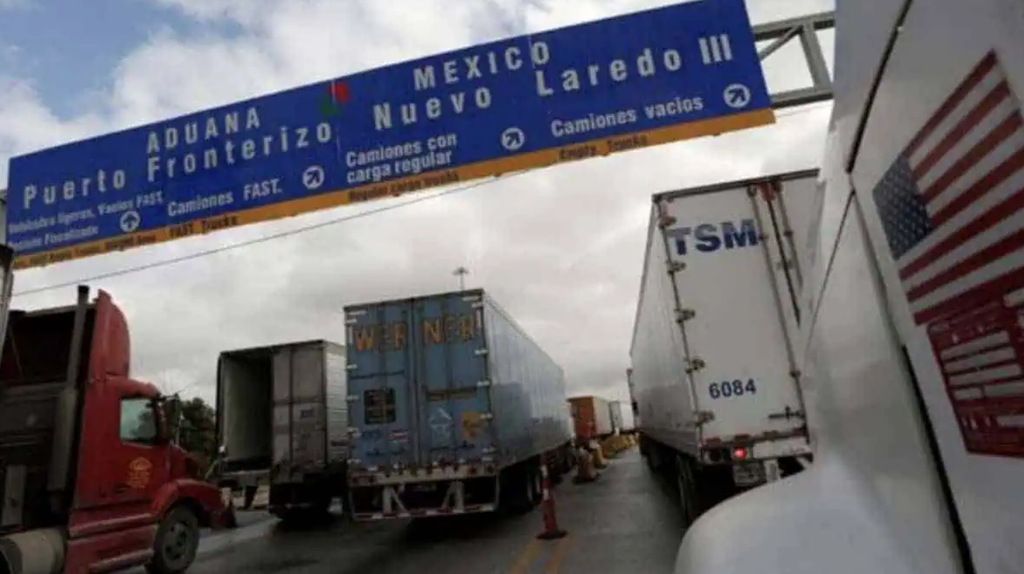
Heavy traffic: the Trump administration wants to ensure Mexico does not remain a side route into North America for China © Reuters

Antonio Ortiz-Mena notes that the Office of the U.S. Trade Representative (USTR) did not respond to a request for comment on the possibility of establishing rules regarding the origin of capital. However, U.S. Trade Representative Jamieson Greer testified before Congress last year that the United States-Mexico-Canada Agreement (USMCA) cannot become “an export platform for third countries.”


Inside the North American trade negotiations: status report


Antonio Ortiz-Mena argues that the Mexican government’s priority should be to preserve and strengthen the trade agreement, despite facing various pressures, such as the tightening of rules of origin in the automotive sector. Regarding the future of the United States-Mexico-Canada Agreement (USMCA), Ortiz-Mena predicts that it will survive, although it will be accompanied by a greater number of bilateral agreements between the United States and Canada, as well as between the United States and Mexico.


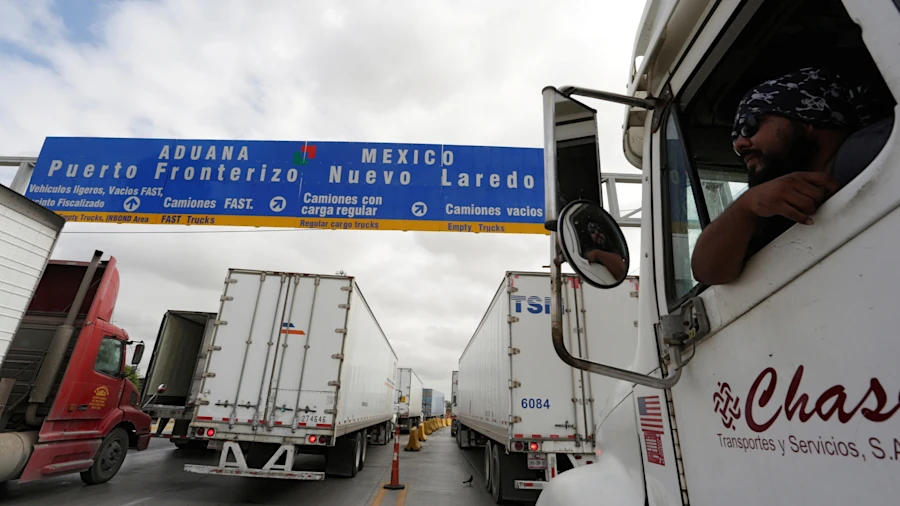
Revisión del T-MEC debe incluir la modernización de fronteras para agilizar el comercio: IRU


Antonio Ortiz-Mena sostiene que la prioridad del gobierno mexicano debe ser preservar y fortalecer el acuerdo comercial, a pesar de enfrentar presiones de diversa índole, como el endurecimiento de las reglas de origen en el sector automotriz. Respecto al futuro del Tratado entre México, Estados Unidos y Canadá (T-MEC), Ortiz-Mena prevé que el instrumento comercial sobreviva, aunque preponderen los acuerdos bilaterales sobre los trilaterales.


The future of the USMCA-securing North America’s energy edge


A key takeaway: energy, national security, and competitiveness can no longer be analyzed separately. As North America prepares for the USMCA review, ensuring a reliable, clean, and competitively priced energy supply for growing regional demand will be essential to trade and investment across the region. Unlike other regions, North America is rich in hydrocarbons, renewables, and critical minerals — a unique competitive advantage for our security and prosperity, provided we put it to smart use.


Panorama Mundial Con Gabriela Frías: La Apuesta Económica De Los 3 Socios De Norteamérica


Antonio Ortiz-Mena sostiene que, a pesar de los enfrentamientos verbales, los tres socios del Tratado entre México, Estados Unidos y Canadá (T-MEC) continúan participando en las rondas de negociación. Asimismo, señala que México debe insistir en el establecimiento de aranceles cero para los productos que cumplen con las reglas del tratado, toda vez que determinados gravámenes, como los aplicados a la industria automotriz, perjudican los esfuerzos de la Casa Blanca por reducir su déficit comercial. Finalmente, Ortiz-Mena subraya que México debe mejorar su competitividad en el sector energético para garantizar la llegada de inversiones a su territorio.